Your website is no longer just for people. It is for AI models and agents that read, judge, summarize, and recommend businesses. If they cannot clearly understand who you are, what you do, and why you are credible, you do not just lose traffic. You disappear from the answer.
For twenty years, customers found businesses by searching Google, scanning links, and choosing who looked best. That world is changing fast. Now they ask ChatGPT, Claude, Perplexity, and Gemini who to hire, where to go, and what to buy.
Then 2005 to 2023
google.com
Google
🔍best italian restaurant park slope
www.opentable.com › restaurants › park-slope
The 10 Best Italian Restaurants in Park Slope (Updated 2025)
Find Italian restaurants in Park Slope, Brooklyn. Reservations available for Convivium Osteria, Al Di La Trattoria, Bricolage, Lucali, Tony's Trattoria, and more.
www.yelp.com › search › park-slope-italian
Top 10 Best Italian in Park Slope, Brooklyn - Yelp
Reviews on Italian in Park Slope, Brooklyn, NY. Convivium Osteria has 4.5 stars from 892 reviews. Tony's Trattoria, Al Di La...
THE 10 BEST Italian Restaurants in Park Slope (UPDATED 2025)
Best Italian Restaurants in Park Slope, Brooklyn: See Tripadvisor traveler reviews of Italian restaurants in Park Slope and search by price, location...
Now 2024 onward
chatgpt.com
ChatGPT
"What's the best italian restaurant in Park Slope for date night?"
For date night in Park Slope, the top three Italian spots are 1 Al Di La Trattoria (warm trattoria atmosphere, no reservations but worth the wait), 2 Convivium Osteria (rustic Tuscan, candlelit, perfect for special occasions), and 3 Lucali (legendary pizza in a romantic candlelit space).
Sources
[1]Aaldilatrattoria.com
[2]Cconvivium-osteria.com
[3]Llucali.com
Notice what's missing in the right side. The customer did not see a list. They didn't scan and choose. They got an answer with a few names and a recommendation. They are booking one of those three places tonight. The other Italian restaurants in Park Slope were pushed out of this customer's research.
"
The customer never sees a list of links anymore. They get one answer with a few names. If you are not one of those names, you are out of the conversation.
This is happening to your industry too
Open ChatGPT right now. Ask the question your best customer would ask.
It doesn't matter what business you are in. Local restaurant, neighborhood plumber, injury law firm, dental practice, contractor. The pattern is the same. A few names get cited. Everyone else gets skipped.
🍝
Restaurant in Brooklyn
Date night Italian in Park Slope
"Best italian restaurant in park slope brooklyn for date night"
AI cites
AAl Di La Trattoria
CConvivium Osteria
LLucali
Your restaurant is not mentioned
🔧
Plumber in Houston
Emergency plumber open 24/7
"Emergency plumber in houston open 24 hours near me"
AI cites
NNick's Plumbing
AAbacus Plumbing
RRoto-Rooter
Your plumbing company is not mentioned
⚖️
Injury law firm in Brooklyn
Personal injury attorney for car accidents
"Best personal injury lawyer in brooklyn for car accident"
AI cites
BBlock O'Toole & Murphy
PParker Waichman
GGair, Gair, Conason
Your law firm is not mentioned
Each of these customers is sitting at home tonight, asking AI a question, and getting an answer that sends them to a competitor. You can do this test yourself in 30 seconds. Open ChatGPT, ask the question your customer would ask, and look at the names. If you are not one of them, you are losing this customer to whoever is.
Want to know if your business shows up when buyers ask AI about your industry?
AI sees your website very differently than your customers do.
Your customers see a polished, beautiful site. Photos, animations, a menu, an "Order Online" button. AI engines see something completely different. Drag the handle below to see both views of the same page.
👀
This is Tony's Trattoria, a fictional Italian restaurant. The same URL. Two completely different realities. Drag the handle in the middle to compare.
👤
What your customers see
The rendered website
🤖
What AI bots see
The raw HTML and signals
Tony's Trattoria
MenuReservationsAboutOrder Online
Reserve a Table
Park Slope · Since 1987
Authentic Italian cooking, made by family.
Three generations of recipes from Calabria. Wood fired pizza, fresh pasta made every morning, and a wine list that knows what it's doing.
Reserve a Table
View Menu
Tonight's Specials
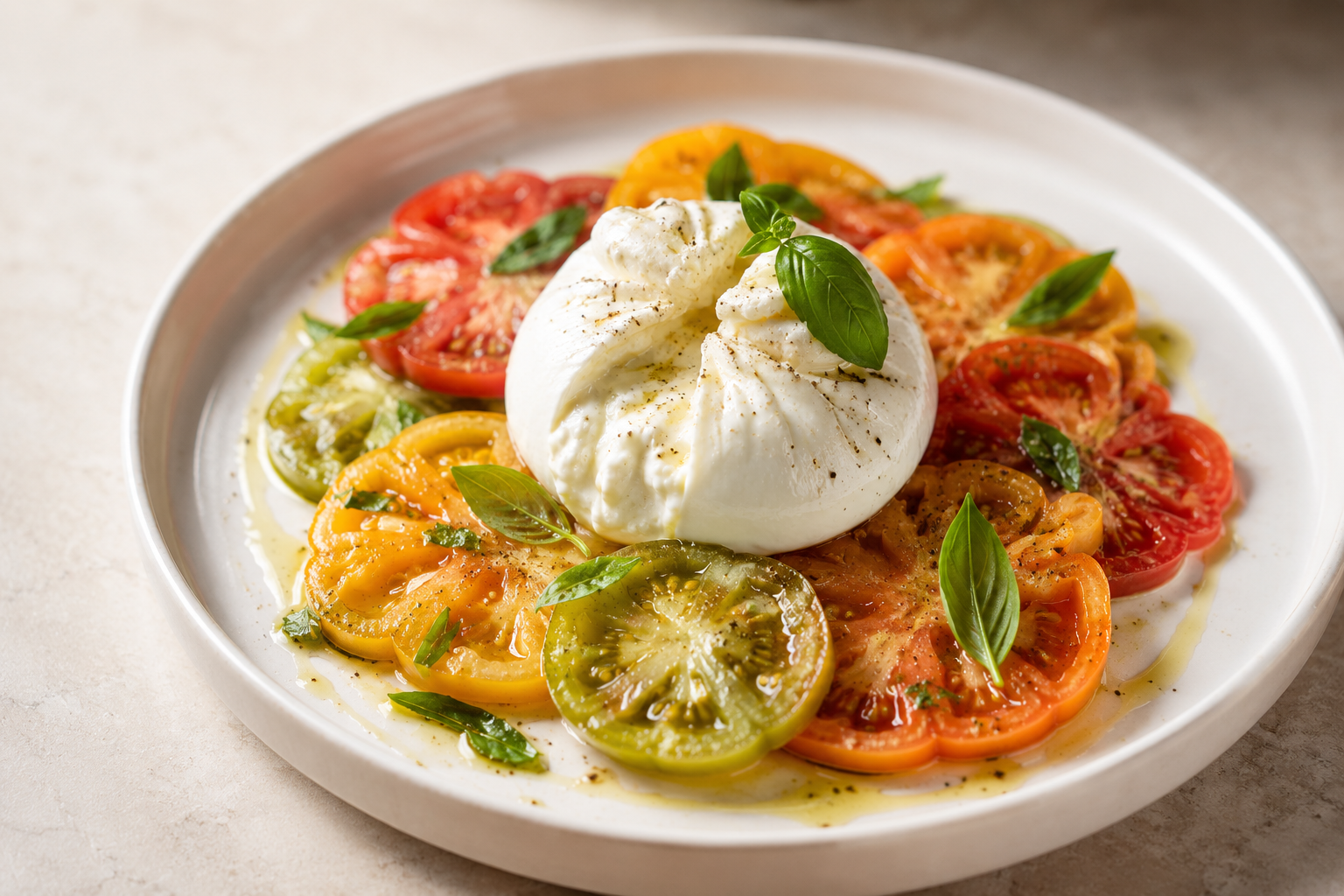
Burrata & Heirloom
$18
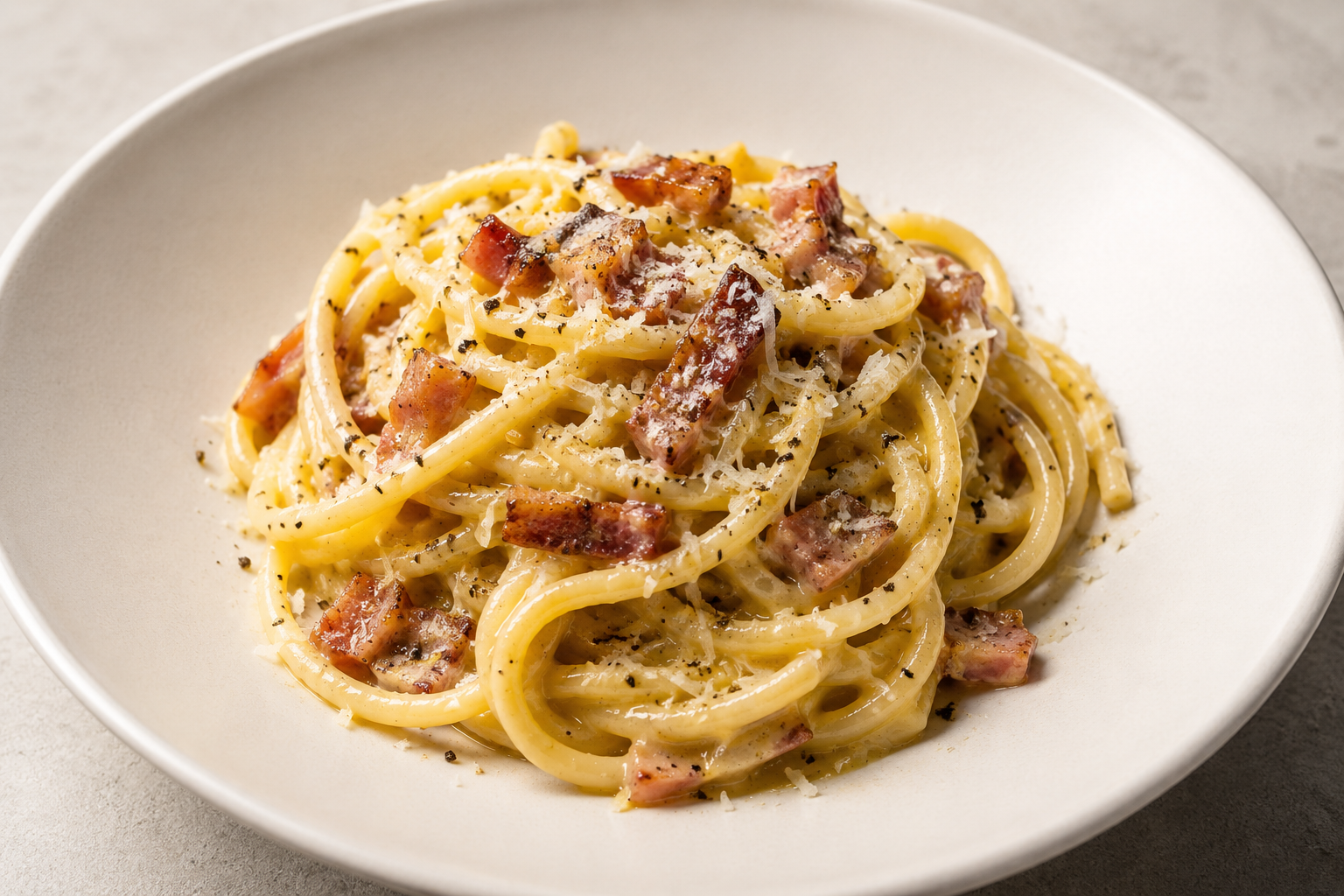
Bucatini Carbonara
$26
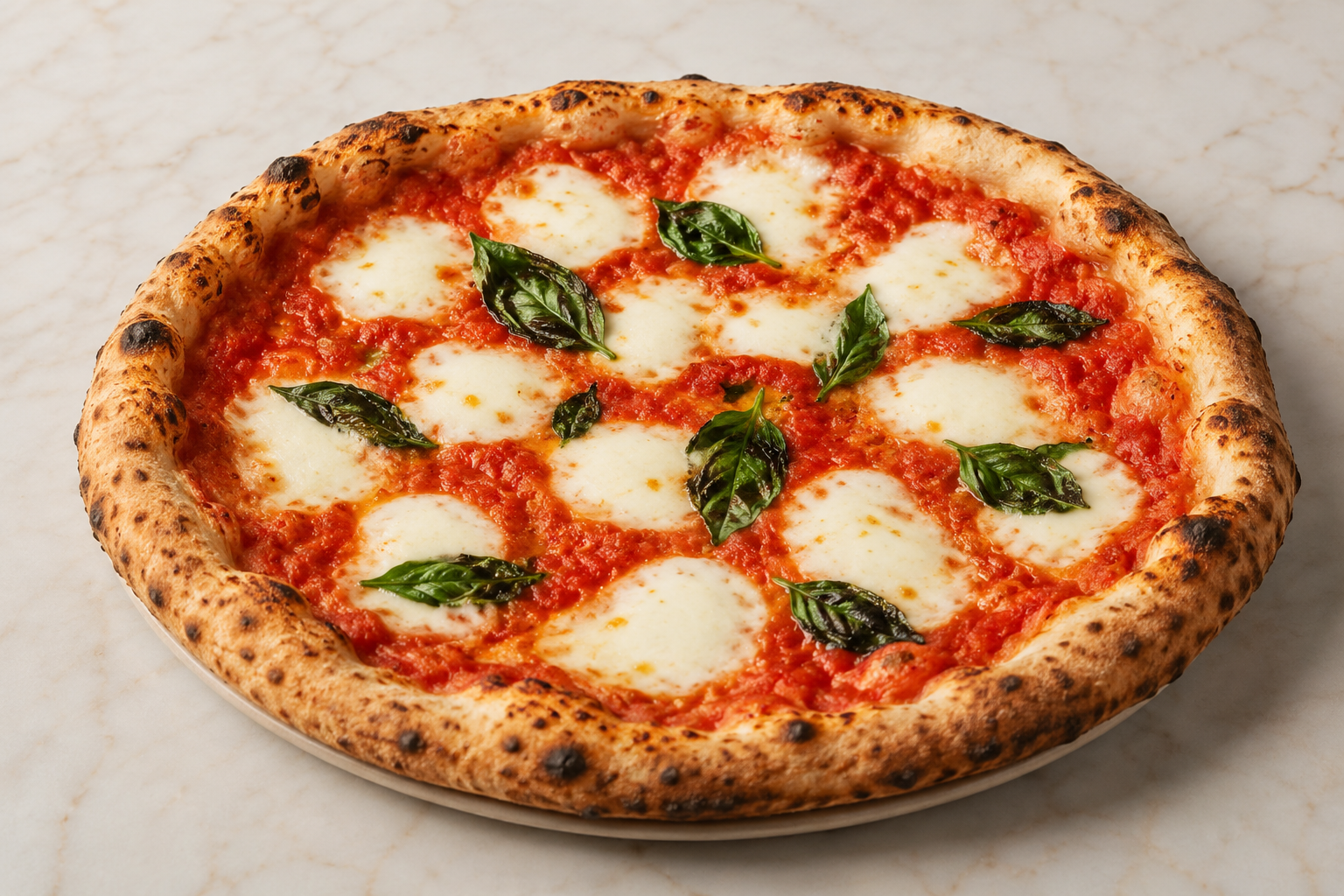
Margherita Pizza
$22
Visit Us
Address
237 5th Ave
Hours
5pm to 11pm
Reservations
718 555 0142
ClaudeBot/GPTBot/PerplexityBot view of tonysTrattoria.com
HTML the AI bot downloads
<title>Tony's</title>
<meta charset="utf 8">
<div id="hero"></div>empty, loads via React
<div id="menu"></div>empty, fetched after page load
<div id="hours"></div>empty, from API call
<script src="/app.js"></script>
Structured data found
✕
No meta description
✕
No Open Graph tags
✕
No Schema.org JSON LD
✕
No Restaurant entity
✕
No address or hours markup
✕
No menu items in HTML
✕
No llms.txt at root
The bot cannot tell what business this is, where it's located, what kind of food it serves, or whether it takes reservations. It will not be cited as a source when someone asks ChatGPT about Italian restaurants in Park Slope.
This is the problem AI SEO solves. The site looks great to humans because the browser runs JavaScript and renders the React app. AI crawlers do not run JavaScript. They download the raw HTML, find empty divs, give up, and move on. The restaurant is invisible regardless of how impressive the site looks.
Your site is probably in this exact state right now. See your real AI score below.
Old SEO was one game. Beat Google. AI SEO is four games at once. Some customers ask ChatGPT every morning. Some live inside Claude. Some run every vendor question through Perplexity. Some get AI Overviews on every Google search. If your site only satisfies one engine, you lose the customers who use the other three.
ChatGPT
OpenAI · 3.7 billion visits a month
"I cite pages with clean HTML, structured data, and facts I can verify. Avoid paywalls."
Crawler: GPTBot & ChatGPT-User
Claude
Anthropic · 250 million monthly users
"I love long form factual content. Schema markup helps. I read llms.txt when sites have one."
Crawler: ClaudeBot & Claude-SearchBot
Perplexity
Perplexity AI · 400 million monthly searches
"Every answer I give has citations. I want recent content with named entities and real numbers."
Crawler: PerplexityBot & Perplexity-User
Gemini
Google · AI Overviews on every search
"Schema.org markup is non negotiable. I weight expertise and authorship signals heavily."
Crawler: Google-Extended
So what do you actually do?
Six things to fix on your site to be found by AI.
Each one is solvable. Together they make up the GEO stack: the six layers AI engines look for when deciding whether to cite your business. The bad news is almost no business sites have all six. The good news is once you do, you'll be cited where your competitors aren't.
01
Invite AI bots in your robots.txt
The first thing every AI crawler reads. Add explicit allow lines for OAI-SearchBot, Claude-SearchBot, PerplexityBot, and Google-Extended. Many sites accidentally block these search bots through legacy rules and don't realize it.
02
Add an llms.txt file at your root
A new standard at llmstxt.org. It gives AI engines a curated index of your most important pages, written in clean markdown. Most sites don't have one. The ones that do get cited more often.
03
Put Schema.org markup on every page
This is the single most important signal. A connected graph of Organization, LocalBusiness, Restaurant, Service, or Product entities tells AI engines exactly who you are, what you do, and where you operate. Without it, you're a generic webpage.
04
Server render your content (don't rely on JavaScript)
AI crawlers do not run JavaScript. Any content loaded after the initial HTML response is invisible to them. Server side rendering or static generation makes everything visible. This is non negotiable.
05
Complete meta tags, canonical URLs, sitemap
Meta description, Open Graph tags, Twitter Card, canonical link, and a dynamic sitemap referenced in your robots.txt. Together they tell AI engines what each page is about and how your site is organized.
06
Write content AI can actually cite
Specific facts. Named entities. Real numbers. Addresses, hours, prices, founding dates, certifications. AI engines lift these directly into answers. Vague marketing copy gets ignored. "Family owned since 1987 serving Park Slope" beats "We deliver excellence."
Not sure where your site stands on the six layers? Run a free scan and see exactly what's missing.
Real time scan, no signup required to start the test.
Testing --
0%
Connecting to your site
Fetching homepage HTML
Checking robots.txt for AI bot access
Looking for llms.txt manifest
Parsing Schema.org structured data
Measuring server rendered content
Auditing meta tags and sitemap
Scoring citation density
✓ Scan Complete
Your fix-it report is ready.
We found a few things worth fixing. Drop your details to get the full breakdown.
Page title--
Page size--
Content--
Response time--
Where should we send it?
Check your inbox.
We're sending your full fix-it report to -- right now.
Look for an email from Omni in the next minute or two. If you don't see it, check your promotions or spam folder.
What is this actually costing you?
Calculate the annual revenue you're losing to bad AI SEO.
Every month, customers in your area ask AI engines for recommendations in your category. Every time a competitor gets cited and you don't, you lose a deal you could have won. Adjust the inputs below to match your business.
Your numbers
customers
%
%
$
What's at stake
Monthly customers who could find you via AI500
Considerations if AI cited you every time100
New customers per month at full citation15
Monthly revenue you could capture$37,500
Annual revenue exposed to AI invisibility
$450,000
This stays on the table every year your competitors win the citations.
Omni Online Strategies
See if your business is found by AI.
Run our Free AI Test on your site. We check the six layers AI engines look for and tell you exactly where you are losing citations to your competitors. Takes 30 seconds.
This is an educational guide about AI SEO and GEO. Tony's Trattoria is a fictional restaurant used to illustrate how AI crawlers see a typical business website. The example queries in the Then vs Now and industry sections show real businesses cited as illustrative examples of citation patterns. Specific citation results vary by AI engine, query phrasing, and time of search. Statistics cited are from publicly reported industry research as of 2025. The Free AI Test performs a real fetch against the URL you enter and returns scores based on what it finds. AI engine behavior evolves continuously. Outcomes from AI SEO work depend on industry, content quality, competitor activity, and how AI engines weight signals at the time of the customer query.
About This System
How to Get Found by AI — Agentic Search Optimization for B2B Websites
This system audits why a business is visible on Google but absent from AI-generated recommendations, then builds the technical content layer — FAQ schema, HowTo schema, structured data, outbound citations, and declarative page copy — that causes AI agents like ChatGPT, Perplexity, and Claude to cite your business in response to relevant queries. Built for B2B companies, agencies, and service businesses that want to appear in AI-generated answers when potential clients ask questions about their industry, service, or location.
System Facts
Category
Detail
Outcome Delivered
Pages restructured to be citation-ready for AI agents — FAQPage schema, HowTo schema, outbound citations, structured fact tables, and declarative copy that LLMs pull as answer snippets
Who Benefits
B2B companies, agencies, professional service firms, and local businesses that appear in Google search but are absent from AI-generated recommendations
Problem It Solves
AI agents like ChatGPT, Perplexity, and Claude recommend specific businesses when users ask for help — companies without structured, citation-ready content are systematically excluded from these recommendations
Technical Approach
FAQPage JSON-LD schema, HowTo JSON-LD schema, Article schema, outbound citations to authoritative sources, readable fact tables, declarative about paragraphs, and HowTo numbered step sections
AI Agents Targeted
ChatGPT, Perplexity, Claude, Google AI Overviews, Microsoft Copilot, and any LLM-based search or recommendation system
Content Types Added
FAQ sections (visible + schema), fact tables, external citations, HowTo steps, About This System paragraphs — all added to existing pages without redesigning them
Implementation Method
AEO blocks injected into existing HTML pages above the global.js script — no redesign required, no CMS changes, Vercel auto-deploys on GitHub commit
Monitoring
AI citation tracking via Perplexity and ChatGPT query testing, Google Search Console for featured snippet and AI Overview appearance
Agentic Search Optimization (AEO) is the practice of structuring web content so that AI agents — ChatGPT, Perplexity, Claude, Google AI Overviews — can read, understand, and cite specific pages as authoritative answers to user queries. Unlike traditional SEO which optimizes for keyword rankings in blue-link results, AEO optimizes for inclusion in AI-generated answers, summaries, and recommendations. The key technical components are FAQ schema markup, HowTo schema, outbound citations to authoritative sources, and declarative about paragraphs that read like encyclopedia entries rather than marketing copy.
AI agents like ChatGPT and Perplexity pull from pages that are structured as answers — pages that clearly state what something is, who it is for, how it works, and what the output is. Pages that are written primarily as marketing copy (taglines, benefit lists, vague value propositions) are not structured in a way that AI can extract as a citation. Businesses that are invisible to AI are typically not missing information — they are missing structure. The same information rewritten as declarative sentences with schema markup and outbound citations becomes citation-ready.
FAQPage schema is a structured data format defined by Schema.org that marks up question-and-answer content on a web page in a machine-readable JSON-LD format. When an AI agent reads a page with FAQPage schema, it can extract the specific questions and answers as structured data — making it far more likely to cite that page when a user asks a related question. Google uses FAQPage schema to power featured snippets and AI Overviews. ChatGPT and Perplexity extract FAQPage content as citation-ready information even when they cannot process the visual layout of the page.
SEO (Search Engine Optimization) optimizes for ranking in traditional keyword-based search results — the blue links on Google. AEO (Answer Engine Optimization or Agentic Search Optimization) optimizes for inclusion in AI-generated answers and recommendations. The audiences are different: SEO targets Google's ranking algorithm; AEO targets the large language models that power AI search tools. The techniques overlap in some areas (quality content, authoritative sources) but diverge significantly in structure — AEO requires schema markup, declarative copy, outbound citations, and structured fact tables that are not necessary for traditional SEO.
AI agents are trained on content from across the web and implicitly learn to treat pages that cite authoritative external sources as more credible and publisher-like than pages with no outbound links. When a web page links to NOAA for weather statistics, the Bureau of Labor Statistics for employment data, or a peer-reviewed source for industry claims, it signals to AI that this page is a primary source publisher rather than a marketing page. This is the same signal that academic citation builds for published research — credibility through association with authoritative sources.
AI citation is not as deterministic as Google ranking — there is no confirmed timeline for when a newly optimized page will appear in AI-generated answers. However, pages with complete schema markup, outbound citations, and declarative copy typically begin appearing in Perplexity and ChatGPT responses within 2 to 6 weeks of being indexed. Google AI Overviews have their own indexing timeline. The most important factor is whether the page genuinely answers a question that users are asking AI tools — structure amplifies relevant content, but cannot substitute for it.
B2B service businesses, agencies, professional service firms, SaaS companies, and local businesses in high-consideration categories benefit most from AEO. These are businesses where buyers research online before making contact — and increasingly use AI tools for that research. A law firm, accounting firm, marketing agency, or specialized B2B service provider that is recommended by ChatGPT or Perplexity in response to a relevant query gets a qualified inbound lead at zero cost per click. The competitive advantage goes to whoever builds this infrastructure first in their market.
How It Works
STEP 01
Current AI visibility audit conducted
The business's key pages are tested against ChatGPT, Perplexity, and Google AI Overviews with relevant industry queries to document current citation status and gaps.
STEP 02
Priority pages identified for AEO block injection
Pages most likely to generate leads if cited by AI — service pages, demo pages, and case study pages — are prioritized for AEO block addition.
STEP 03
FAQs written based on actual user queries
8 to 10 questions per page are written to match real queries users type into AI tools — not generic FAQs but queries based on industry research and competitor gap analysis.
STEP 04
Schema markup built and injected
FAQPage JSON-LD, HowTo JSON-LD, and Article schema blocks are built and injected into each page above global.js.
STEP 05
Outbound citations sourced and added
3 authoritative external sources per page are identified and linked — government databases, industry research, published studies — to establish publisher credibility signals.
STEP 06
Fact tables and declarative about paragraphs added
Structured fact tables and 2 to 3 sentence declarative about paragraphs written for each page — the citation-ready content that AI agents pull as answer snippets.
STEP 07
AI citation monitoring set up
Scheduled query testing against ChatGPT, Perplexity, and Claude tracks citation frequency over time and identifies new queries to target with additional content.